
Fewer than 50 native black poplars are left in Oxfordshire. A £11,000 council grant pays for surveys, DNA tests and 15 new trees on the Windrush in year one.
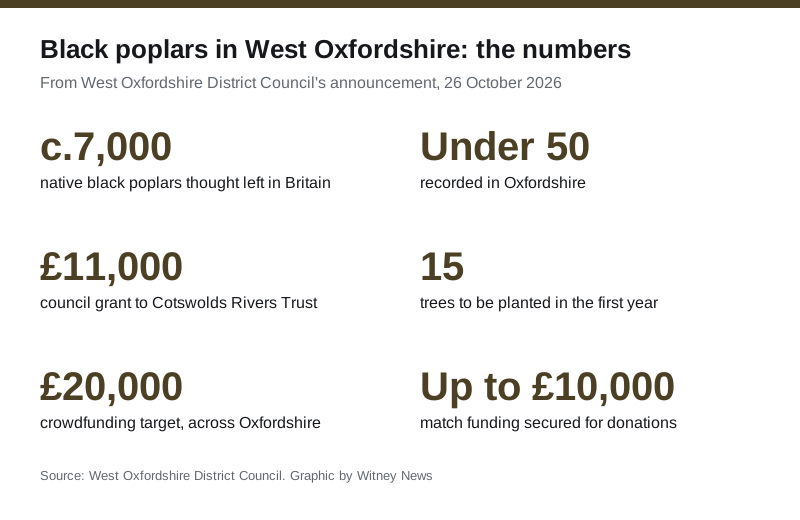
West Oxfordshire District Council has given £11,000 to Cotswolds Rivers Trust to find, test and replant native black poplars along the River Windrush, one of the rarest native trees in Britain. Fewer than 50 are recorded in Oxfordshire, and only around 7,000 are thought to remain across the country, the council said on 26 October.
The grant starts the work in the Windrush catchment, the river that runs through Witney. It is part of a wider project led by the Swindon to Oxford: Regenerating the Thames and Tributaries partnership, known as Sw~Ox.
What the money pays for
The council says the £11,000 will cover three jobs:
- surveys to find the black poplars that still stand;
- DNA testing to confirm which of them are the native tree;
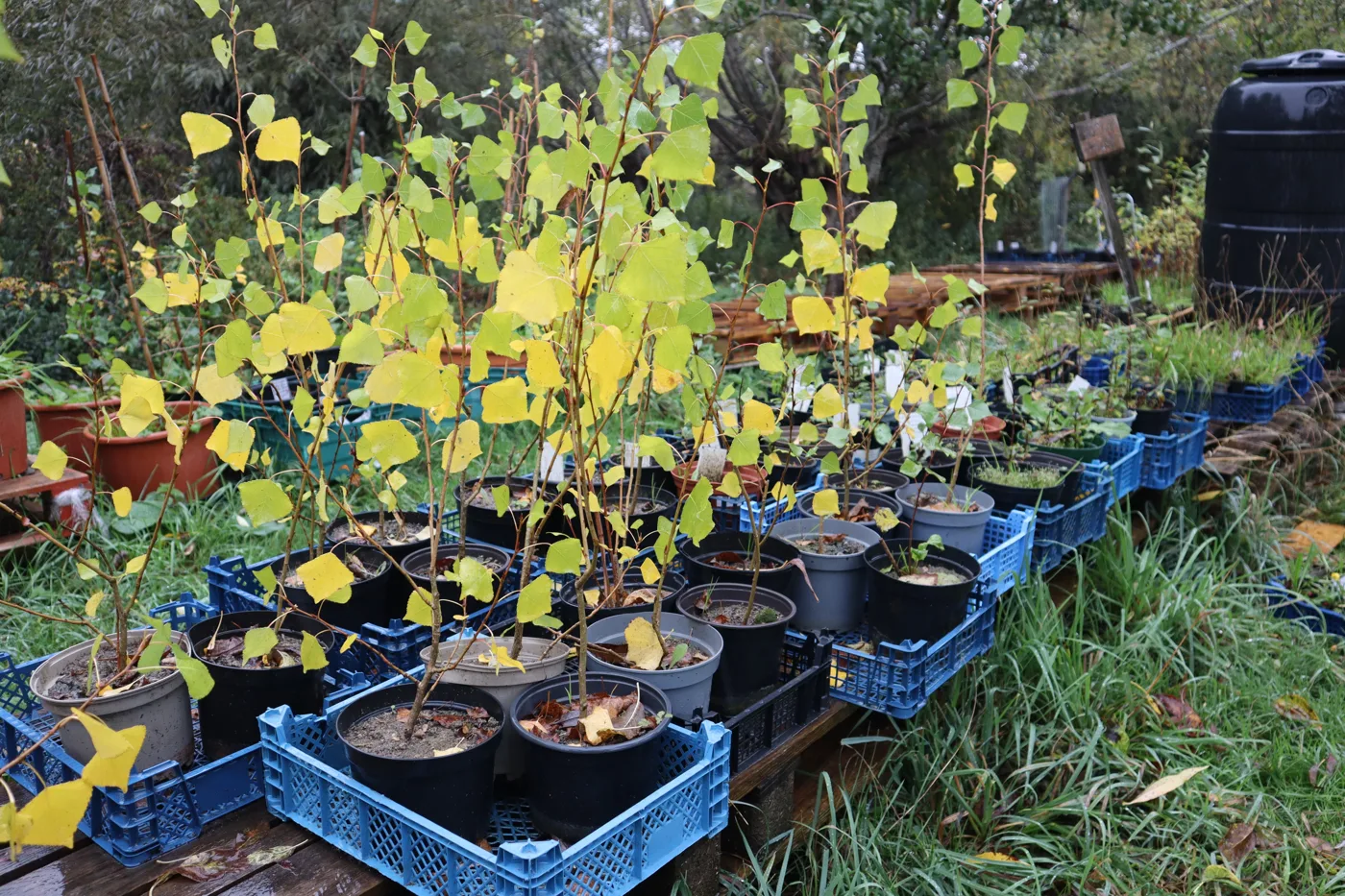
- growing and planting saplings in suitable places.
The aim is to plant 15 trees in the first year, with more in later years to rebuild the population in West Oxfordshire.
Why the tree needs help
Black poplars were once a familiar sight on riverbanks, wet meadows and floodplains. The council says changes to those habitats and the loss of mature trees have left small, isolated groups that struggle to reproduce on their own. A male and a female tree have to be within a few hundred metres of each other for seed to set and new trees to grow, so a lone survivor cannot replace itself.
The trees give homes to birds, insects and moths, the council says.
Councillor Andrew Prosser, the council’s Executive Member for Climate Action and Nature Recovery, said:
“Black poplars are an important part of our natural heritage, but with so few remaining in Oxfordshire, we risk losing these remarkable trees from our landscape.
“By supporting this project, we’re helping to protect the trees we still have and grow new ones that can thrive along our rivers and wetlands.
“This is a great example of how working with local conservation organisations and landowners can make a real difference for nature recovery. We’re pleased to help get this work underway in West Oxfordshire and hope residents will support the wider campaign to bring Black poplars back across the county.”
A £20,000 appeal for the rest of the county
A Crowdfunder appeal is trying to raise £20,000 to take the project across Oxfordshire: finding more surviving trees, growing genetically diverse saplings and starting new populations along the Thames and its floodplain. Oxfordshire County Council backs it through the Local Nature Recovery Strategy, and the appeal has secured match funding of up to £10,000, so donations go further. We could not load the appeal page on 26 October to check how much has been raised so far.
Jack Knott, Trust Manager at Cotswolds Rivers Trust, said:
“With so few native Black poplars left in Oxfordshire, it’s important that we act now to identify the trees we still have and start to rebuild the population across our rivers and floodplains. Funding from West Oxfordshire District Council has helped us get this important work underway, and every donation to our crowdfunding campaign will help us bring Black poplars back.”
What it means for you
- If you own land by the Windrush or another river, the project wants to hear from landowners who can offer a planting site.
- If you know of an old black poplar, community groups and volunteers who can help find existing trees are also wanted. Every confirmed tree matters, because new saplings need partners nearby.
- If you want to give, donations go through the Crowdfunder page. The council does not give a separate contact for landowners or volunteers; Cotswolds Rivers Trust runs the work locally.
The Windrush was also the focus of this month’s Witney Waterways Day, where residents heard about pollution and flood prevention on the town’s rivers.
Have your say